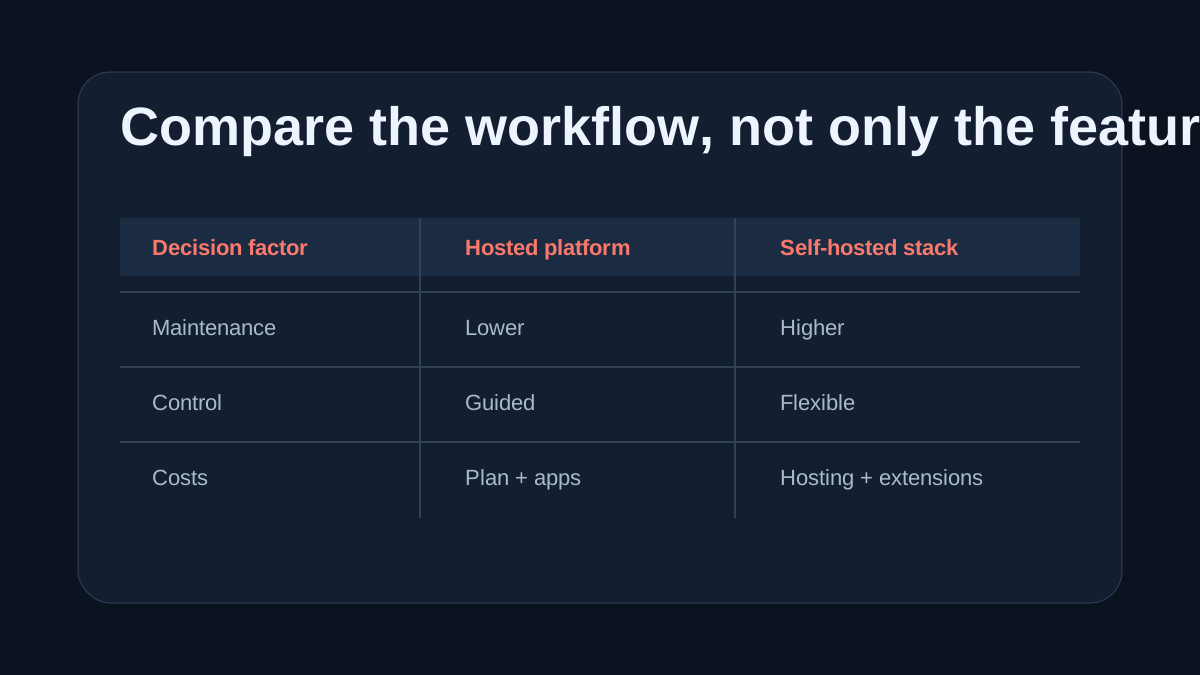
Start with how you want to work, not with a feature list. Write down who will run the store, how much time you can spend on maintenance each week, and what you already know. A platform that needs a developer will slow down a solo founder, while a fully managed platform can feel restrictive to someone who wants server-level control. Separate hosted from self-hosted options. Hosted platforms bundle hosting, updates and core maintenance into one plan, which reduces moving parts. Self-hosted software such as WooCommerce runs on hosting you arrange, so you control the stack but you also handle updates, backups and security. Match the platform to your catalog. A small, curated catalog rewards design and content control. A larger catalog with many variants rewards structured product data, import and export tooling, and strong filtering. Sketch your catalog size today and your realistic size in twelve months, then check that both fit. Compare total operating cost, not just the sticker price. Include platform plans, required apps or extensions, payment processing, themes, developer help and the cost of migrating later. Use the profit calculator to see how those costs change your margin before you commit. Finally, test the workflow. Create a trial storefront, add your real products, edit a page, and walk through checkout. If the daily tasks feel awkward in one afternoon of testing, they will feel awkward for a year. Keep a short list, read the comparison pages, and use the platform finder if you want a structured starting point.
Sources
About this article
Written by XomStoreLaunch Editorial. Pricing and platform claims should be checked against the cited official sources before relying on them for purchasing decisions.
Related tools
Related guides
How to Start an Online Store Without GuessingA founder-friendly walkthrough for choosing a niche, validating demand, pricing products, and launching a first storefront.Ecommerce Profit Margin BasicsUnderstand product cost, payment fees, shipping, advertising, returns, and break-even pricing.Common Ecommerce Cost TrapsWhere new store budgets quietly leak: app sprawl, shipping and packaging, returns, transaction fees and surprise plan limits.