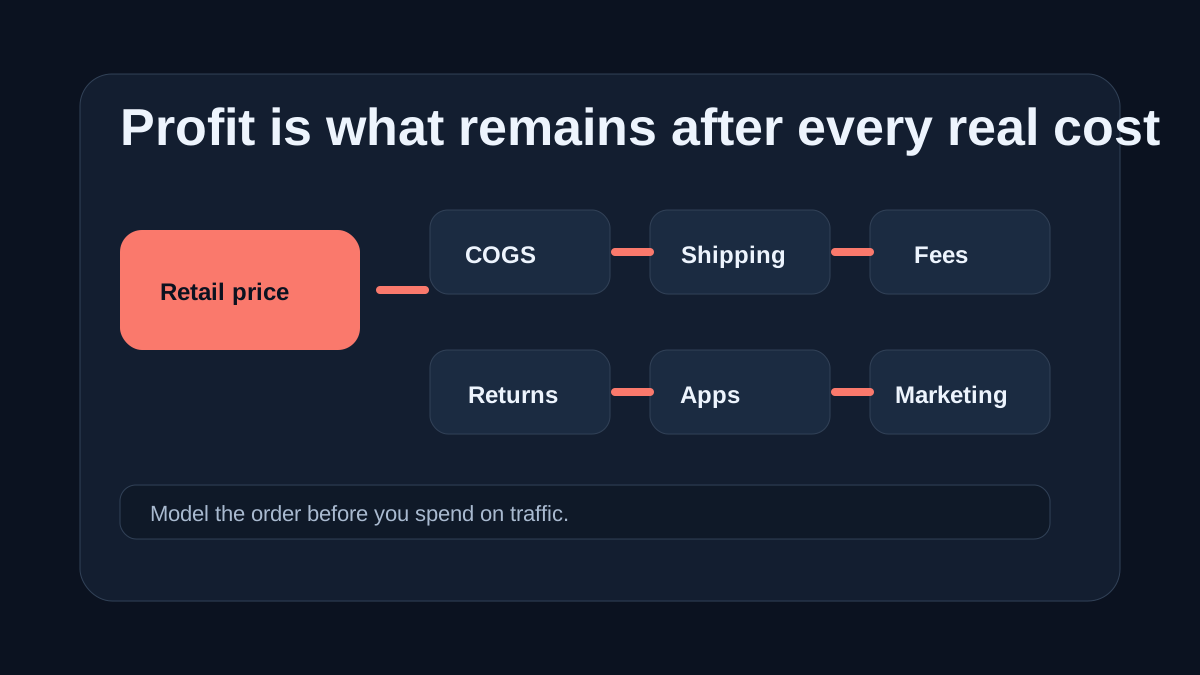
Free trials end and small fees accumulate. The most common budget failure is not one large expense but many small ones that were never modeled together. App and extension sprawl is the first trap. Each tool solves one problem, but five small subscriptions change your margin before you have steady sales. List every subscription you need at launch and mark which ones you can replace with manual work during the first month. Shipping and packaging are the second trap. Free shipping is rarely free; it is a price decision. Weigh the box, compare carrier rates for your real package sizes, and decide whether to build shipping into the product price or charge it at checkout. Remember packaging materials and the time it takes to pack an order. Returns and refunds are the third. A generous return policy builds trust and costs money. Set a returns allowance in your pricing so a few refunds do not erase a week of profit, and write the policy in plain language before you launch. Watch transaction and platform fees as volume grows. Percentage fees look small on a single sale and become a real line item at a hundred orders. Revisit the fee structure whenever volume changes, and re-run your margin with the profit calculator after any pricing or fee change. Finally, read the plan limits. Catalog size, staff accounts, file storage and API calls can push you into a higher tier exactly when growth makes you busiest. Check current plan pages on the official sites before assuming a tier will hold.
Sources
About this article
Written by XomStoreLaunch Editorial. Pricing and platform claims should be checked against the cited official sources before relying on them for purchasing decisions.
Related tools
Related guides
How to Start an Online Store Without GuessingA founder-friendly walkthrough for choosing a niche, validating demand, pricing products, and launching a first storefront.Ecommerce Profit Margin BasicsUnderstand product cost, payment fees, shipping, advertising, returns, and break-even pricing.Choosing a Store PlatformA decision framework for hosted and self-hosted platforms based on setup comfort, catalog size, content priorities and total operating cost.